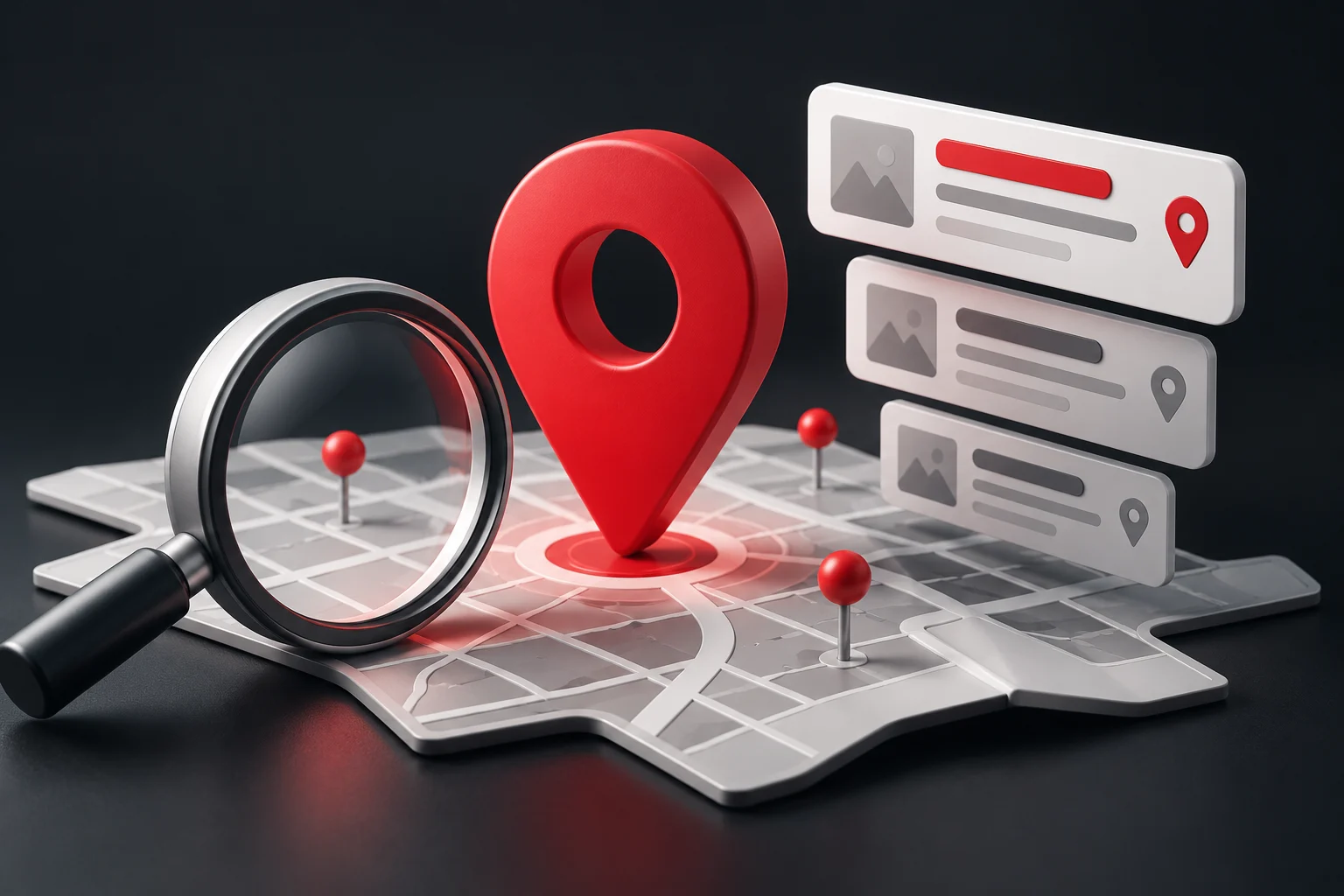
Local SEO works best when it helps a nearby customer make a confident decision. A business owner in Cookeville does not need every visitor on the internet. They need the right people to find the right service, understand the offer, and get in touch.
For businesses across the Upper Cumberland, a strong plan connects your business profile, website, reputation, and lead tracking. Here is a practical place to start.
1. Make your business information dependable
Review your business name, phone number, hours, website, and service details wherever customers commonly find you. Keep your Google Business Profile accurate and choose categories that reflect what you actually do. Show only legitimate locations and follow the platform’s address and service-area rules.
Google explains that local results depend mainly on relevance, distance, and prominence. You cannot change a searcher’s distance with a keyword. You can make your services easier to understand and your information more complete. See Google’s local ranking guidance for the underlying principles.
2. Give each important service a useful destination
A service page should answer the questions a prospect would ask on a first call: What is included? Who is it for? What affects price? What happens next? Use clear headings and real examples you have permission to share. A descriptive page title and relevant internal links help visitors navigate.
Location pages should add genuine local value. Explain actual coverage, relevant logistics, or work completed in the area. Repeating one page with different city names adds little for the reader. Our Areas We Serve hub helps people find the appropriate Apex location information.
3. Build trust without shortcuts
Ask customers for honest feedback through a consistent process. Do not buy reviews, write them for customers, or ask only people you expect to rate you positively. Respond professionally, and avoid revealing private customer details in public replies. Helpful photos and accurate service descriptions can also make a profile more useful.
4. Use schema to describe the business accurately
Structured data can clarify your organization’s identity and page content for search engines. It should agree with the visible information. Do not invent offices, awards, ratings, or opening hours. Schema does not guarantee rankings or a rich search result; it supports clear, consistent information.
5. Measure inquiries, then improve the weak step
Track completed forms and meaningful phone inquiries alongside search visibility. A click on a phone link is an intent signal, not proof of a completed qualified call. Review lead quality with the team answering inquiries. If traffic grows but relevant inquiries do not, examine the offer and page experience before publishing more pages.
Your first 30 days
- Audit business information and fix inaccuracies.
- Improve one priority service page and its contact path.
- Introduce a consistent, honest review request process.
- Test inquiry tracking and record a baseline for lead quality.
How Apex can help
Apex connects SEO and local search with website improvements and strategy and analytics. We can help prioritize the work around the services and communities that matter to your business, including Cookeville, Crossville, Sparta, Baxter, Livingston, and Monterey.
Contact Apex to discuss your local marketing priorities. Bring your current website, target services, and the questions customers ask most often.